
GOLD CHOICE COMPARISON
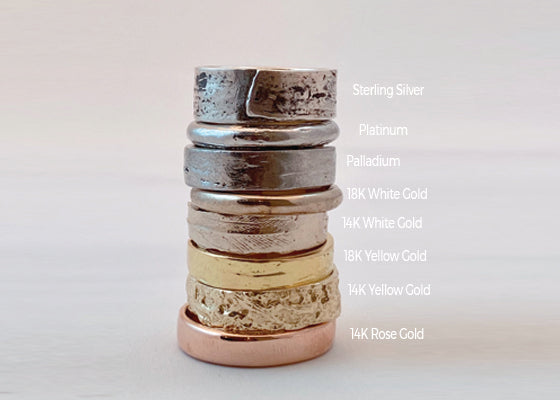
Our natural designs are handcrafted in four main materials: 14K gold, 18K gold, platinum and sterling silver. Each of these 100% recycled metals have a unique composition of elements that are responsible for their specific properties such as hardness, luster, and color.

WHICH METAL IS RIGHT FOR YOU?
Choosing between 14K gold, 18K gold, platinum and sterling silver is about more than color alone. Each precious metal has its own character, durability, and warmth. Whether you're drawn to the rich glow of 18K yellow gold, the timeless elegance of platinum, or the soft blush tones of rose gold, this guide will help you compare your options and find the metal that best complements your lifestyle and personal style.

GOLDS
18K YELLOW GOLD
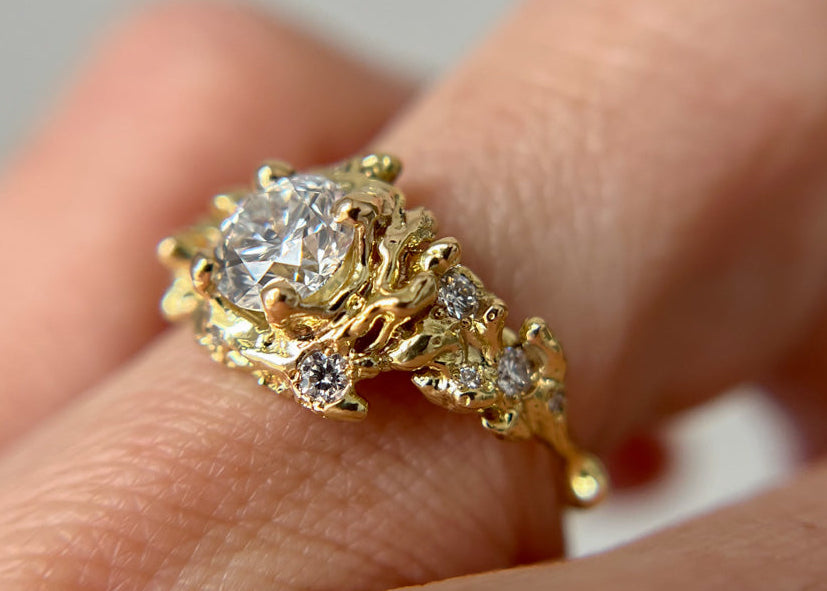
Composition: 75.50% Gold, 15% Silver, 9.50% Copper
Hardness: 2.75 (Moh's Scale) Advantages: Rich yellow-gold color, Hypoallergenic
Disadvantages: Prone to scratches/dents
18K gold is nickel-free and less likely to cause skin irritation than other golds. It has a brighter yellow-gold color than 14K gold, but the higher purity of the gold makes it soft and susceptible to scratches, dents, and cracks during rough activities. One of the oldest alloys for engagement rings and fine jewelry, 18K yellow gold is a traditional wedding choice.
14K Yellow Gold
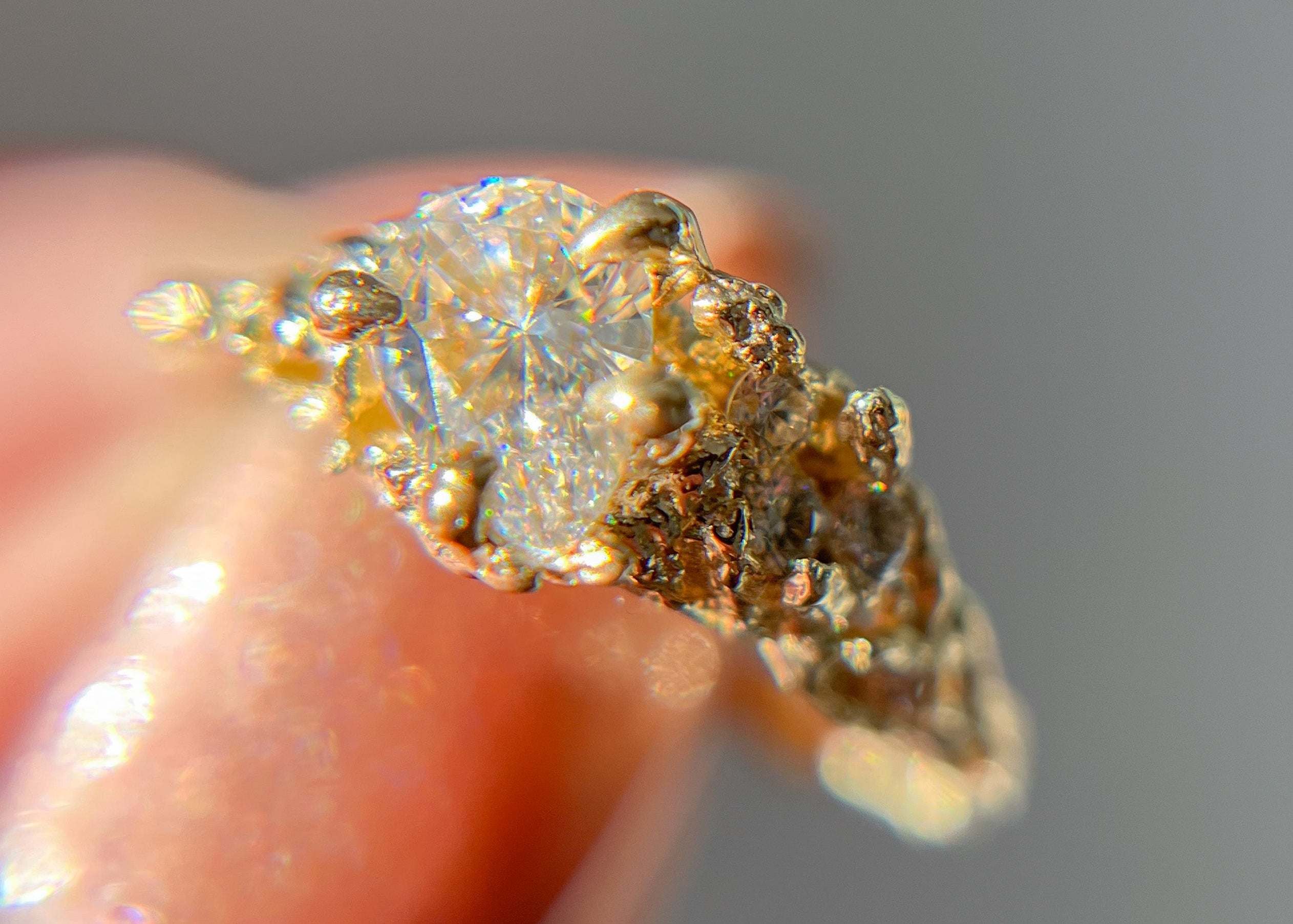
Composition: 58.50% Gold, 5% Silver, 31.25% Copper, 5.25% Zinc
Hardness: 3-4 (Moh's Scale) Advantages: Durable, Hypoallergenic Disadvantages: Fainter gold color
14K gold accounts for roughly 90% of all gold engagement and wedding rings because of its good durability and bright light gold color. Its less saturated gold color is perfect if you are concerned about an overly-yellow appearance.
18K Rose GOLD
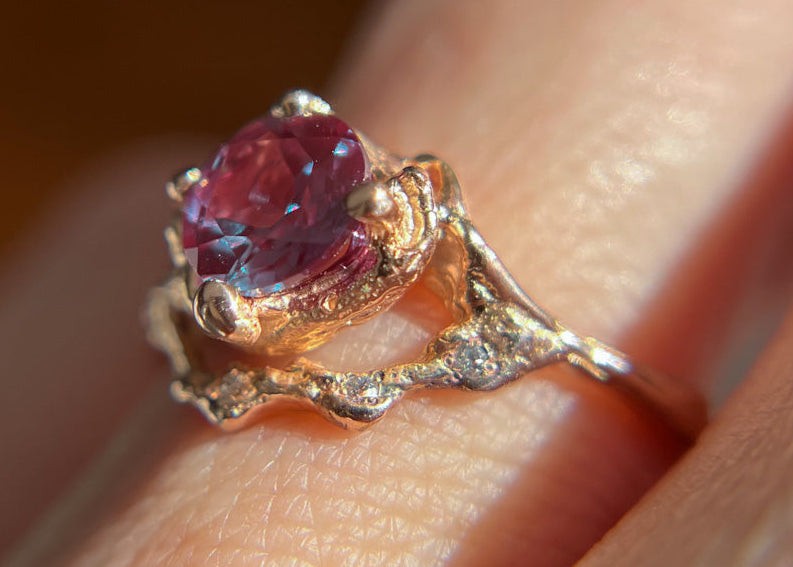
Composition: 75.50% Gold, 1% Silver, 22.25% Copper, 1.25% Zinc
Hardness: 2.75 (Moh's Scale) Advantages: Pale pink color, Hypoallergenic
Disadvantages: Prone to scratches/dents
Due to a lower copper percentage, 18K rose gold is lighter than 14K gold and has a less saturated orangey appearance, making it looks almost champagne. 18K rose gold is relatively soft and can be scratched and scuffed more easily than 14K gold.
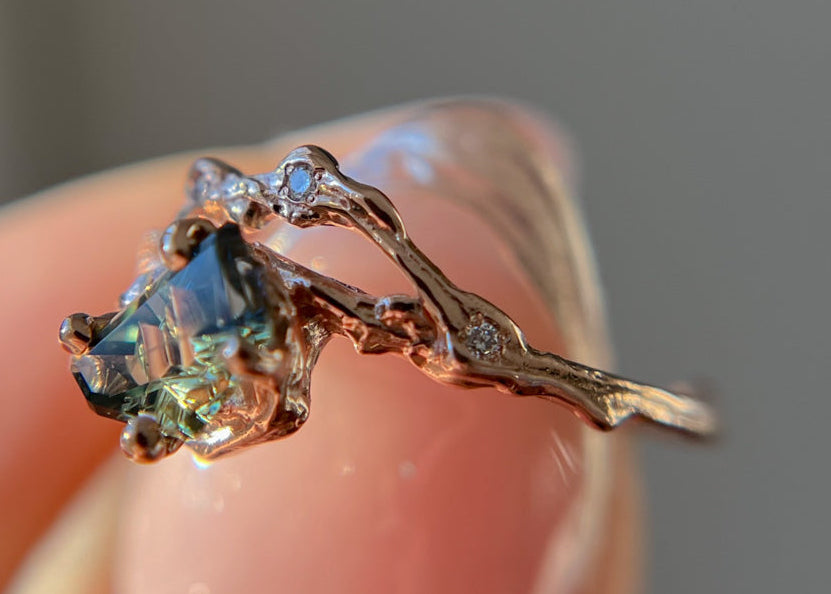
14K Rose Gold
Composition: 58.50% gold, 1% silver, 39.50% copper, 1% Zinc
Hardness: 3-4 (Moh's Scale) Advantages: Durable, Hypoallergenic Disadvantages: Darker pink than 18K rose gold
14K rose gold is a deeper pink than 18K rose gold with more orangey undertones. It is fairly durable and does not contain any skin-irritating nickel. Rose gold does not tarnish but it may get slightly darker over the years which is a normal process and should be expected.
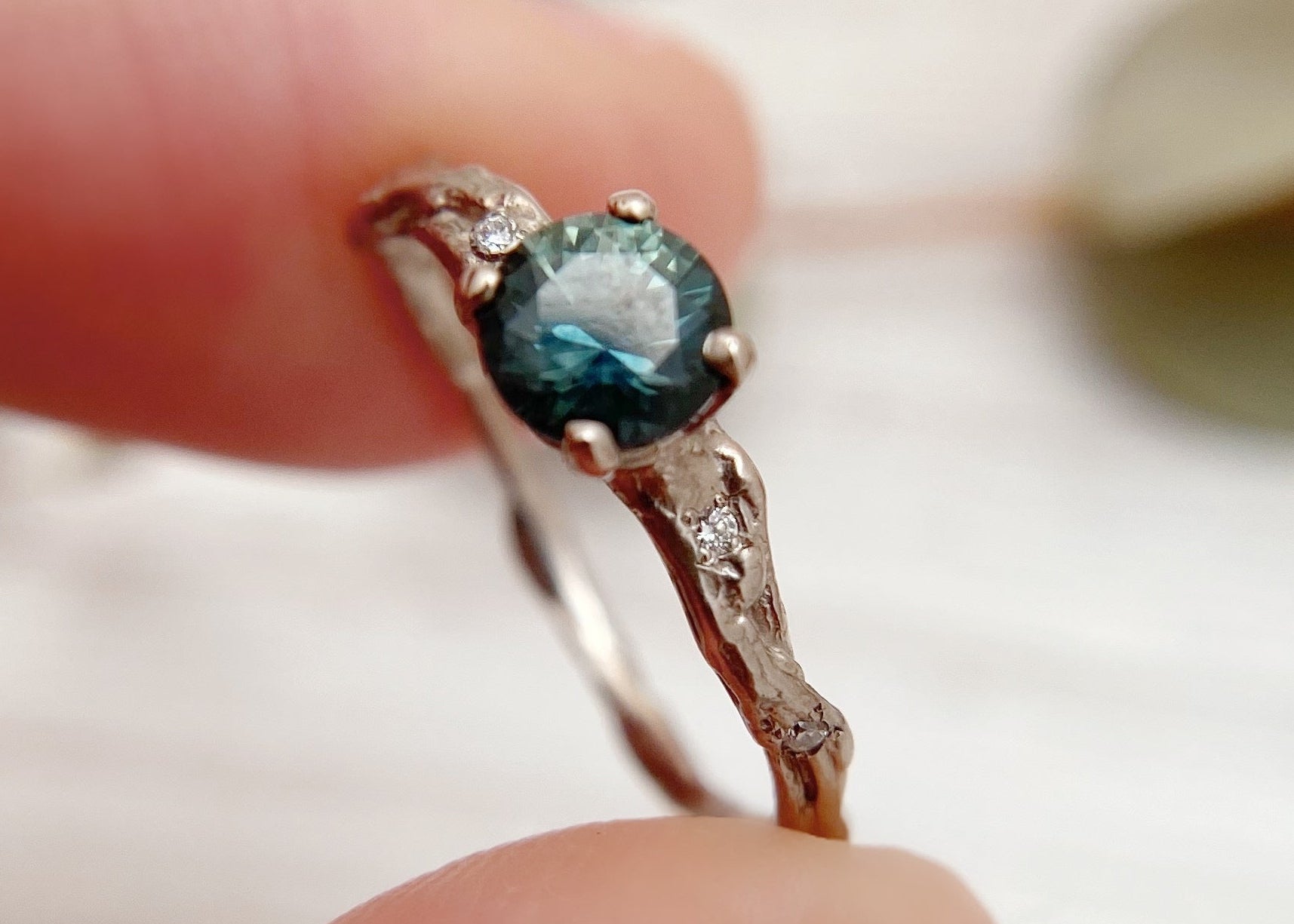
18K Palladium White Gold
Composition: 75.50% Gold, 0.75% Silver, 14.5% Copper, 3.5% Zinc, 5.75% Palladium
Hardness: 2.75 (Moh's Scale) Advantages: Less tarnishing, Hypoallergenic
Disadvantages: Prone to scratches/dents, Warm Grey Hue
18K white gold is alloyed with palladium that gives the gold a clean white color without the need for plating. The purer gold content means there will be less oxidation and the white color will be brighter for longer than 14K gold. 18K white gold with palladium has a warm grey hue that gives the ring an antique look. Its higher gold percentage makes it softer and more prone to scratches than 14K.
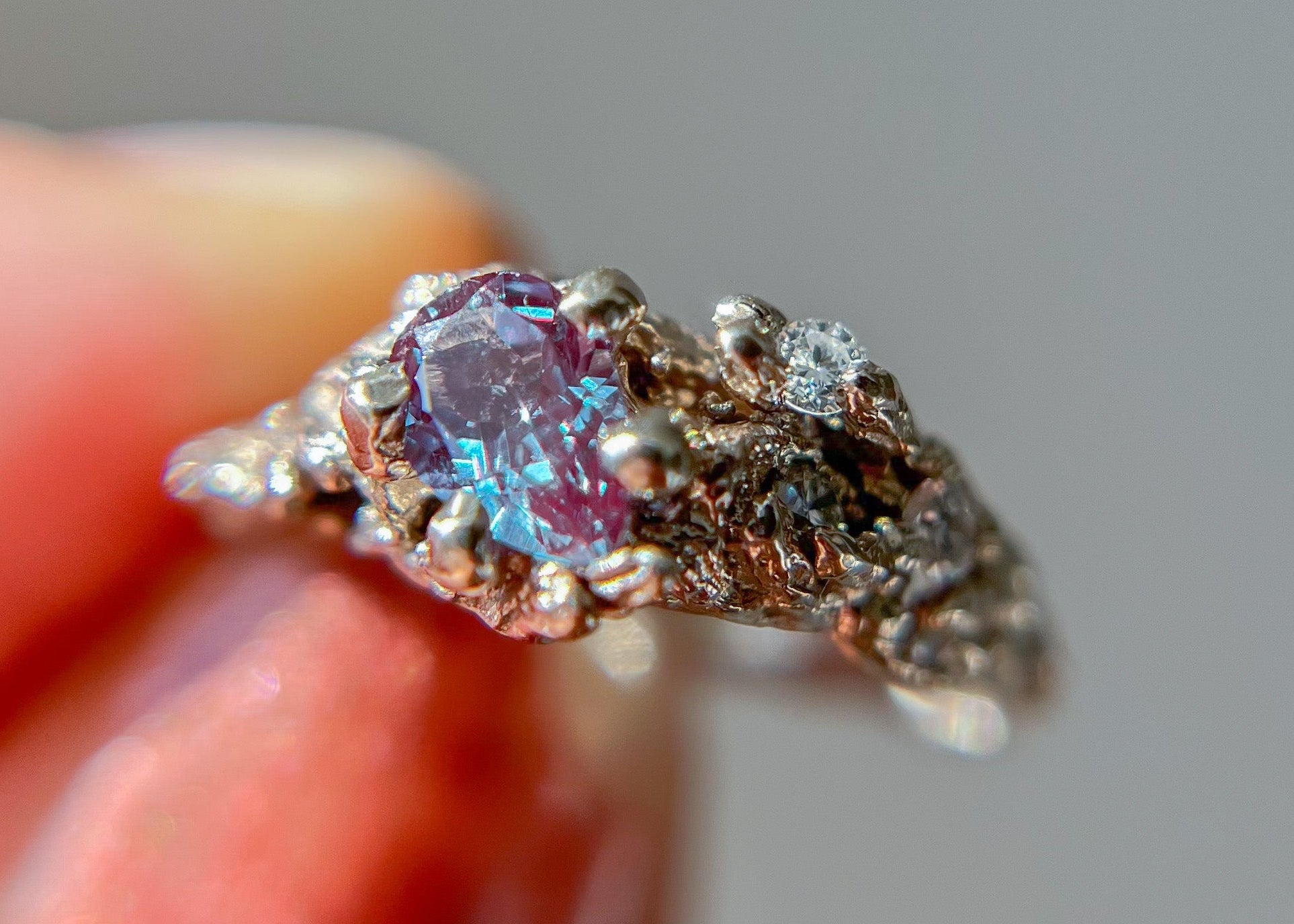
14K White GOLD
Composition: 58.50% Gold, 23% Silver, 9% Zinc, 9.50% Nickel
Hardness: 3-4 (Moh's Scale) Advantages: Durable Disadvantages: Yellowish undertone, Possible skin irritation
14K white gold is the most durable out of the 14K golds because of its high percentage of nickel, however, this quality also gives it a higher chance of skin irritation. If you are allergic to nickel, opt for a nickel-free choice - 14K yellow gold, 14K rose gold, all of the 18K golds and platinum.
WHITE METALS
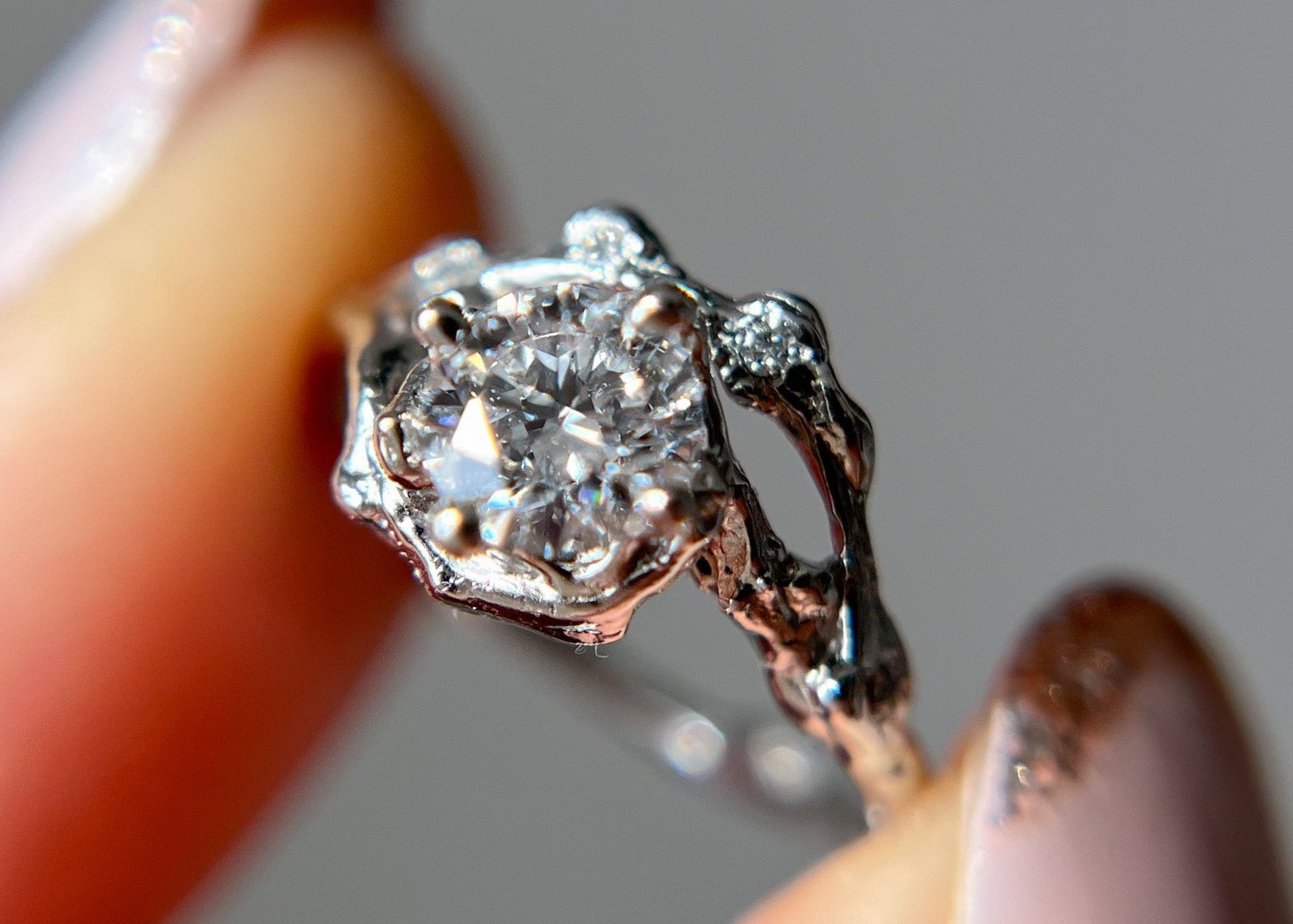
PLATINUM
Composition: 95% Platinum, 5% Ruthenium
Hardness: 4.5 (Moh's Scale) Advantages: Durable, Hypoallergenic, Non-Tarnish Disadvantages: Expensive
Platinum is known for its high density, making it heavy and better equipped for holding engravings and shape. It also maintains its light grey color indefinitely and is less likely to be damaged by household chemicals than other metals. Platinum is great for highlighting diamonds and showing off the true color of other gemstones. It's a very popular and traditional choice for engagement rings.
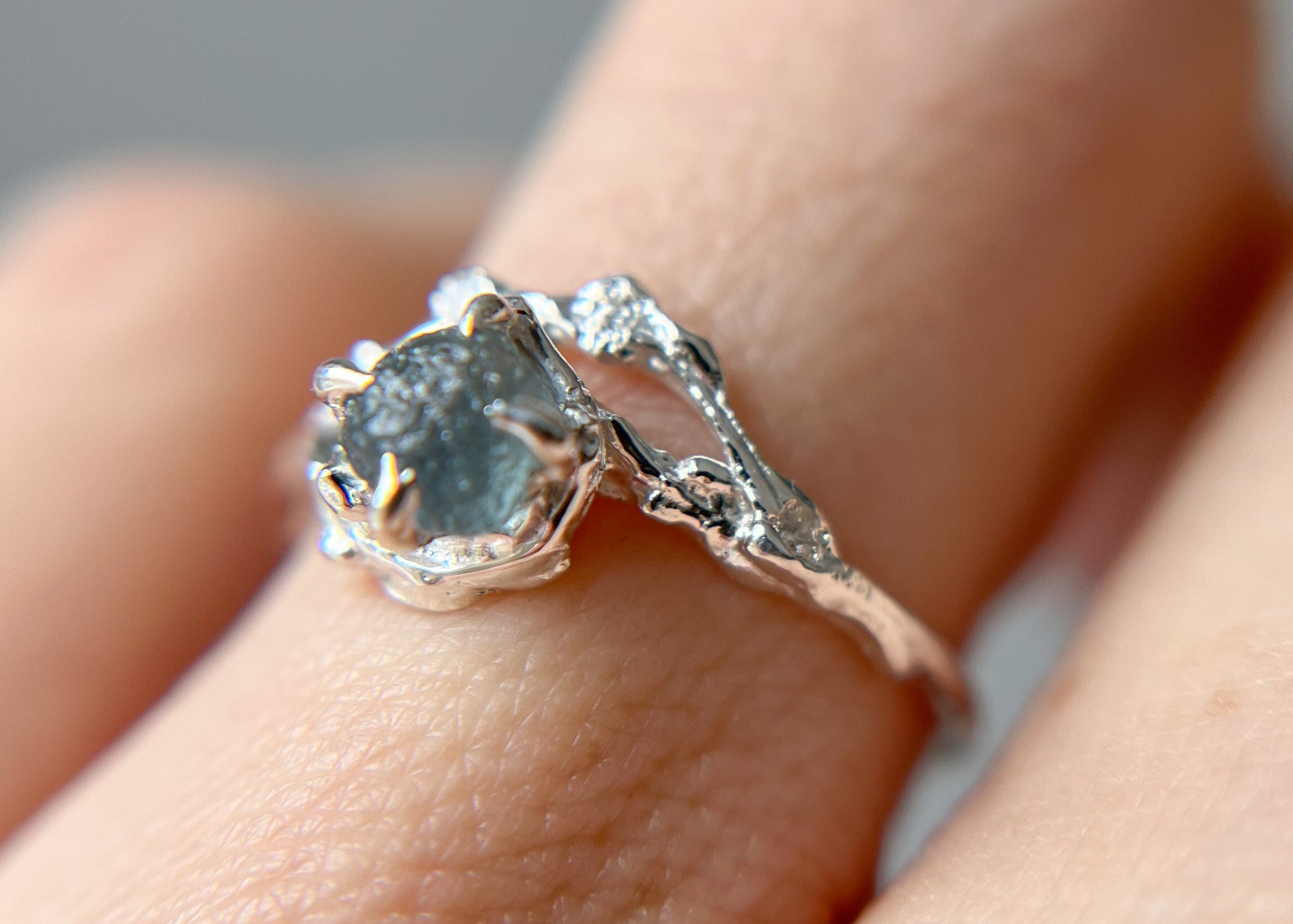
Sterling Silver
Composition: 92.5% Silver, 7.5% Copper
Hardness: 2.5 (Moh's Scale) Advantages: Affordable, Hypoallergenic Disadvantages: Very prone to scratches/dents
Sterling silver is very soft, making it ill equipped for setting diamonds and other hard stones. It is likely to bend slightly over time to align with the curvature of your finger and does not hold texture well. Silver tarnishes easily when unworn and exposed to oxygen. Silver may require more upkeep and repairs throughout the years.
A note from Olivia...
One of the questions I'm asked most often is, "Which metal should I choose?" My answer is always the same: there isn't a wrong choice. Rather than focusing too much on hardness charts and technical specifications, I encourage you to think about the colors you naturally gravitate toward. Look at the jewelry you wear every day, the tones that complement your skin, and the colors that make you feel most like yourself.
Personally, I recommend 14K gold to most people because it offers a beautiful balance of durability and color. If you love the rich warmth of high karat gold, 18K has a depth and glow that is truly timeless. Platinum is a wonderful choice for those drawn to cool white metals and a naturally understated elegance.
While sterling silver is a beautiful and affordable option, I generally recommend choosing gold or platinum for engagement rings and pieces you plan to wear every day for a lifetime. These metals better preserve fine details and require less maintenance over the years.
Ultimately, the "best" metal is simply the one you love most. Jewelry is meant to be lived in, passed down, and woven into the story of your life. Choose the color that speaks to you, and the rest will follow.
